

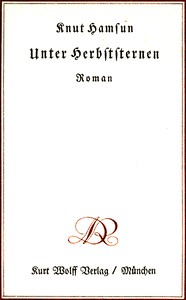
Sklaven der Liebe, und andere Novellen by Knut Hamsun
Knut Hamsun's Sklaven der Liebe (Slaves of Love) isn't a single novel but a collection of his shorter works. The title story is the centerpiece, and it pulls you right into the mind of its unnamed narrator. This isn't a plot of grand events. Instead, we follow a man consumed by his fixation on a woman he observes from afar. His "love" is a storm of jealousy, wild imagination, and painful longing. He constructs entire realities about her life, tormenting himself with possibilities. The story moves through his internal landscape—his hopes, his despairs, his erratic conclusions—making you question everything he perceives.
Why You Should Read It
Hamsun is a master of the interior world. Reading this feels like listening to someone's raw, unfiltered train of thought. There's no sugar-coating. The narrator's obsession is uncomfortable, even embarrassing at times, but it's incredibly human. Hamsun shows us how love can feel less like a choice and more like a form of captivity. The other stories in the collection explore similar territory—characters on the fringes, driven by strange hungers and deep psychological needs. It's not always a pleasant read, but it's a honest one. You get the sense Hamsun understood the messy corners of the soul long before it was common to write about them so openly.
Final Verdict
This book is perfect for readers who love character studies over action, and who don't mind an unreliable narrator. If you enjoyed the inner turmoil in Dostoevsky's work or the atmospheric tension of early modernism, you'll find a lot to like here. It's also great for anyone curious about where modern psychological fiction began. Fair warning: it's not a light, romantic escape. It's a sharp, sometimes bleak, look at the tyranny of our own emotions. A small, powerful book for a thoughtful mood.
This publication is available for unrestricted use. You do not need permission to reproduce this work.
Charles Wilson
6 months agoTo be perfectly clear, the storytelling feels authentic and emotionally grounded. I couldn't put it down.
Lucas Smith
9 months agoWithout a doubt, the emotional weight of the story is balanced perfectly. This story will stay with me.
Noah Clark
1 year agoRecommended.
Jackson White
1 year agoRecommended.






Matthew Thompson
1 month agoClear and concise.