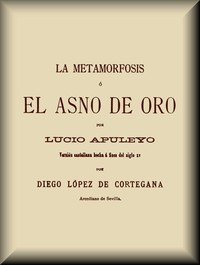
La metamorfosis, o, El asno de oro by Apuleius
So, you're curious about this ancient Roman novel with the long title? Let me break it down for you. It's one of the strangest, most entertaining rides to survive from the ancient world.
The Story
The hero is Lucius, a young man with a serious fascination for magic and the occult. While staying in a town known for witchcraft, he gets involved with a servant girl and tries to use a magic ointment to turn himself into a bird. Spoiler: it goes badly. He accidentally uses the wrong potion and transforms into a donkey instead. His human mind is fully intact, trapped inside this beast of burden. The rest of the story follows his miserable, often hilarious, journey as he's stolen by bandits, worked nearly to death, and passed from one terrible owner to the next. Along the way, he overhears all sorts of stories, the most famous being the beautiful, novel-length myth of Cupid and Psyche. Lucius's only hope for salvation lies with the goddess Isis, but he has to endure a lot of hardship and humiliation before he gets his chance.
Why You Should Read It
First, it's just fun. Apuleius packs this thing with adventure, slapstick comedy, romance, and horror. Reading it, you forget it's nearly 2,000 years old. Lucius is a great character—flawed, curious, and his animal-eye view of Roman society is brutally honest. He sees the greed, hypocrisy, and violence that people hide from each other. The Cupid and Psyche section is worth the price of admission alone; it's a fairy tale about trust, love, and perseverance that stands on its own as a masterpiece. On a deeper level, the whole book is about seeking redemption and the transformative power of faith (though not in a preachy way). It asks what it means to lose your humanity and what you have to go through to earn it back.
Final Verdict
This book is perfect for readers who love mythology, but are tired of the same old Greek epics. It's for anyone who enjoys a picaresque adventure with a sharp satirical edge—think of it as a Roman-era version of a rogue stumbling through a corrupt world. If you liked the structure of The Canterbury Tales or the magical realism of later authors, you'll find its ancestor here. It's also surprisingly accessible for a classic. Don't go in expecting a dry historical text; go in expecting a weird, wise, and utterly captivating story about a man who literally made an ass of himself.
This digital edition is based on a public domain text. You are welcome to share this with anyone.