
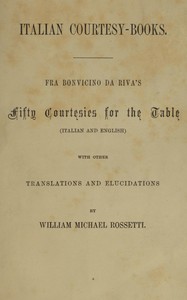
Italian courtesy-books : Fra Bonvicino da Riva's fifty courtesies for the…
This isn't a novel with a plot in the traditional sense. Think of it as a very old instruction manual for social survival. Written around 1290, Fra Bonvesin da la Riva lays out 50 specific rules for good behavior. He covers everything from table manners (don't grab the best piece of bread) to public conduct (don't stare at people) to spiritual duties (pray quietly and sincerely). The 'story' is the picture these rules paint of daily medieval life—a life where sharing close quarters meant your bad habits directly impacted everyone around you.
Why You Should Read It
What grabbed me was how human and immediate these rules feel. This isn't abstract philosophy; it's practical advice for not being a terrible neighbor. When Bonvesin warns against laughing too loudly at your own jokes or lecturing people while they're eating, you can almost hear the exasperation of a community dealing with that one annoying person. It’s a stark reminder that our modern ideas of privacy and personal space didn't exist. Your behavior was a public concern. Reading these courtesies, you see the roots of our own manners and realize how many of them started as simple considerations for shared living. It’s also oddly humbling—our ancestors weren't just thinking about survival; they were actively negotiating how to live together well.
Final Verdict
Perfect for history buffs who enjoy social history over battles and kings, or for anyone fascinated by the everyday details of the past. It’s also great for readers who like short, primary source material that doesn't require a huge time commitment. You can dip in and out. If you're looking for a fast-paced narrative, this isn't it. But if you want a direct conversation with the 13th century about the timeless challenge of getting along with other people, this little book is a quiet gem.
This content is free to share and distribute. It serves as a testament to our shared literary heritage.
Brian Allen
11 months agoMy professor recommended this, and I see why.
Kenneth Brown
1 year agoHigh quality edition, very readable.
Linda Lee
1 year agoClear and concise.
Jackson Smith
1 year agoBased on the summary, I decided to read it and the pacing is just right, keeping you engaged. Exactly what I needed.






James Moore
8 months agoTo be perfectly clear, the emotional weight of the story is balanced perfectly. I learned so much from this.